How POD Dropshipping Works for Independent Stores: A Practical Guide for Shopify, WooCommerce, Etsy and Custom Websites

In a POD dropshipping model, you sell on your own store and a supplier produces and ships each order on your behalf. You keep control of your storefront, branding, payments and customer service. The supplier handles printing, quality control and white-label packing, and sends you tracking via webhook when the order ships.
Key takeaways
- You own the storefront, customer relationship and branding; the POD supplier owns production, QC and packing.
- Integration is API-based: you sync product data (JSON with colours, mockups, print regions and SKUs), upload customer artwork, and create orders with an idempotency key.
- Orders are paid from a prepaid balance, with the total calculated at order time using current website prices and your volume tier.
- Volume tiers are based on your rolling 12-month order quantity, not a single order, so consistent volume earns better rates over time.
- You receive a webhook with tracking when an order ships; you update your own store admin — the supplier does not write into it.
Who does what: a clear division of labour

Successful POD dropshipping depends on a clean split of responsibilities. You focus on selling and customer experience; your supplier focuses on making and shipping. The table below shows the typical split.
| What you build | What we build |
|---|---|
| Your storefront on Shopify, WooCommerce, Etsy or a custom website | Production of the printed item to your artwork specifications |
| Product preview and editor (using our product/link JSON: colours, mockups, print regions, SKUs) | Structured product data feed (JSON) for you to sync |
| Customer service and returns handling for your buyers | Artwork validation and pre-production checks |
| Payment processing and checkout on your store | Quality control and white-label packing |
| Branding, marketing and customer communication | Shipping to your buyer or to a consolidation warehouse (as agreed at onboarding) |
| Updating your store admin with tracking and order status | Webhook notification with tracking when an order ships |
How the operating model works step by step
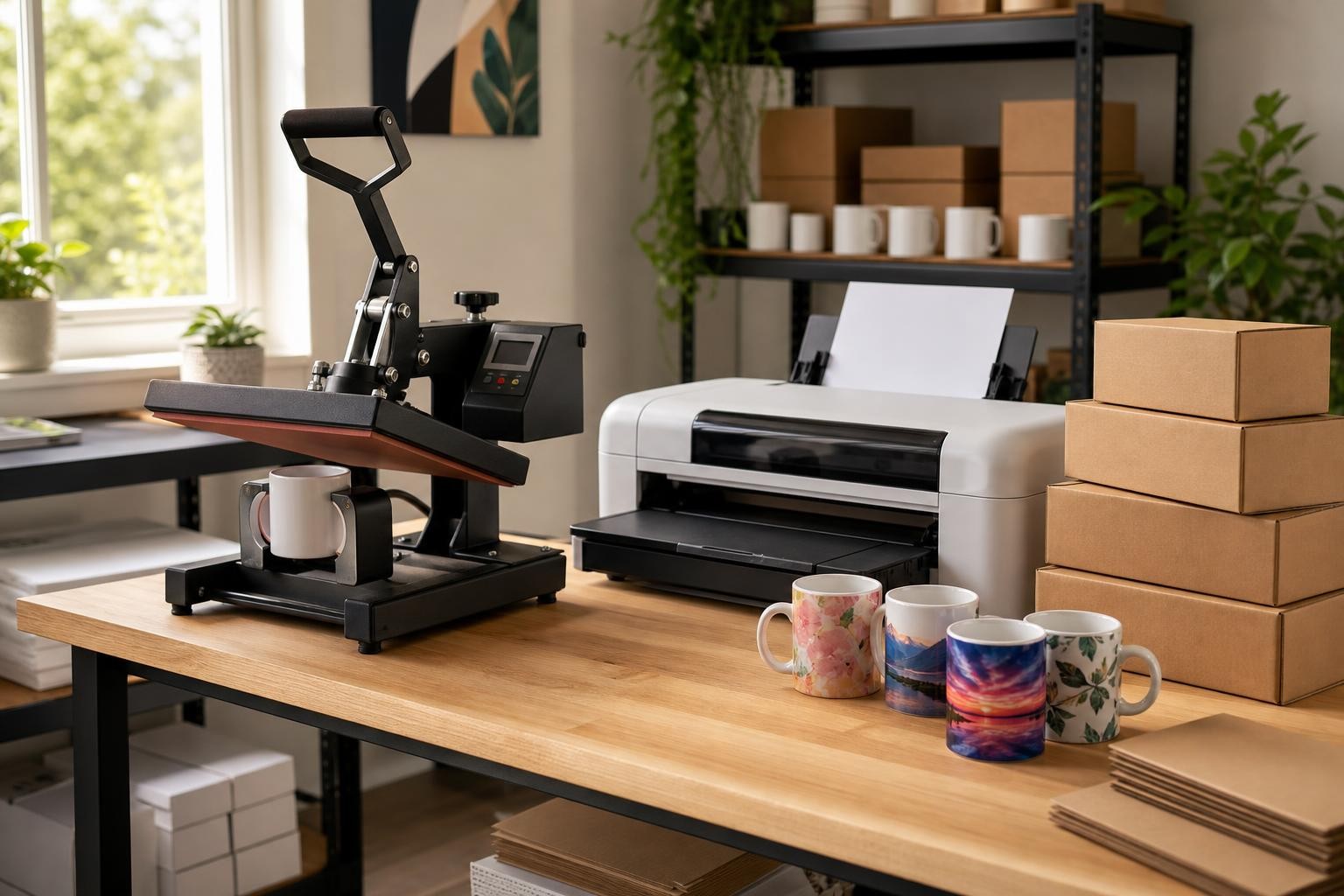
The model is straightforward: you list products on your store, a customer buys, you place the order with us via API, we produce and ship, and you receive tracking to pass on to your customer. If you sell on Etsy, the same model applies — see our Etsy fulfilment page. Here is the flow in more detail.
1. You sell on your own website
Your store — whether Shopify, WooCommerce, Etsy or a custom build — is where the sale happens. We do not embed our editor into your store. Instead, you receive structured product data and build your own preview and editor, or use your existing storefront tools.
2. You receive product data
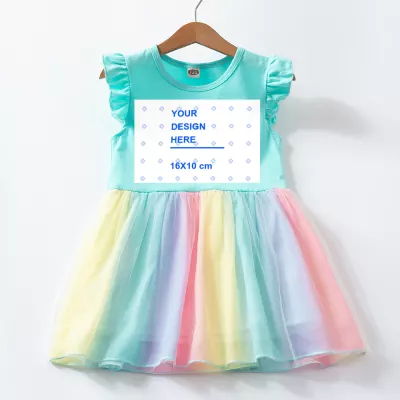
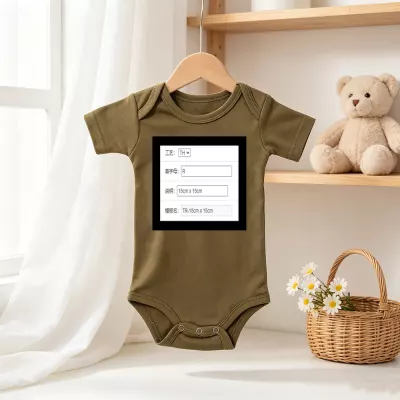
We provide product and link JSON that includes colours, mockups, print regions and SKUs. You use this to display products accurately and to build a preview that shows customers how their design will look.
3. You apply for API access
You apply for API access and receive a live token plus a sandbox token. Store these securely — they are your credentials for placing orders and receiving updates.
4. You sync the catalogue
Select the catalogue links you want to sell from our custom printed products catalogue and sync the product JSON into your store. This keeps your product data up to date.
5. You upload customer artwork
When a customer places an order, you upload their artwork as an asset to our system. We validate the artwork before production to catch issues early.
6. You create orders with an idempotency key
Orders are created via API with an idempotency key, which prevents duplicate orders if a request is retried. The order total is calculated at order time using the current website price and your volume tier.
7. You pay from a prepaid balance
Orders are paid from your prepaid balance. You can top up your balance by bank transfer or card and then pay instantly from it.
8. We produce, QC and pack
We handle artwork validation, production, quality control and white-label packing. Production is scheduled after artwork approval. The exact lead time depends on the product, quantity and printing method, and is confirmed when the order is placed.
9. We ship and send a webhook
When an order ships, you receive a webhook with tracking. We do not write into your store admin; you update your own store with the tracking information.
Volume tiers: how pricing works over time
Your volume tier is based on your rolling 12-month order quantity, not a single order. This means consistent volume across the year earns better rates, even if individual orders vary in size. Prices are shown on the product page for your exact quantity and are calculated at order time.
Shipping routes: direct or consolidated

Depending on the route agreed during onboarding, shipping can be routed directly to the buyer or to a consolidation warehouse. The available routes, transit times and costs are confirmed during onboarding and at checkout, so you can quote your buyers accurately.
Integration checklist
Use this checklist to plan your integration from start to finish.
- Apply for API access and receive your live and sandbox tokens.
- Store tokens securely — never expose them in client-side code.
- Sync the catalogue by selecting product links and importing the JSON.
- Build your preview using the print region JSON so customers see an accurate mockup.
- Upload artwork assets when orders are placed.
- Create orders with an idempotency key to avoid duplicates.
- Verify webhooks so you can trust tracking updates.
- Run a sandbox order end-to-end before going live.
- Go live and monitor your first orders closely.
Tip: Always run a full sandbox order — including artwork upload and webhook receipt — before you take live orders. It is the cheapest way to catch integration issues.
FAQ
Do you embed an editor into my store?
No. We provide structured product data (JSON with colours, mockups, print regions and SKUs) so you can build your own preview and editor, or use your existing storefront tools.
How do I pay for orders?
Orders are paid from a prepaid balance. You can top up your balance by bank transfer or card and then pay instantly from it. All prices are quoted and charged in US Dollars (USD).
How is the order total calculated?
The order total is calculated at order time using the current website price and your volume tier. Your volume tier is based on your rolling 12-month order quantity, not a single order.
Do you update my store with tracking?
No. When an order ships, you receive a webhook with tracking. You update your own store admin with the tracking information.
Can I ship directly to my customers?
Yes, shipping can be routed directly to the buyer or to a consolidation warehouse, depending on the route agreed during onboarding.
What if there is a quality issue?
Contact us through the order page. If an item is defective, incorrect or damaged in transit, we will arrange a reprint or refund according to our policy. Share photos of the issue so we can check it quickly.
Author's Latest
- Custom New Year Gifts: Bulk Ordering Guide
- Custom Christmas Ornaments: Bulk Ordering Guide
- When to Order Custom Christmas Gifts in Bulk: A 2026 Timeline From the Factory Floor
- What Is the Best Website for Buying Personalized Gifts?
- Why I Built Pod-Sourcing: Custom Gifts Without the Five-Figure Minimum
- POD Printing & Customization: Which Printing Method Is Right for Your Product?
- The Complete Guide to Cross-Border Import Taxes: Where Does Your Money Actually Go?
- How to Source Bulk Custom Gifts for Weddings and Graduations: A Complete Guide for B2B Buyers
Top 10 Hot Search
- 1 How POD Dropshipping Works for Independent Stores: A Practical Guide for Shopify, WooCommerce, Etsy and Custom Websites
- 2 Custom New Year Gifts: Bulk Ordering Guide
- 3 Custom Christmas Ornaments: Bulk Ordering Guide
- 4 When to Order Custom Christmas Gifts in Bulk: A 2026 Timeline From the Factory Floor
- 5 What Is the Best Website for Buying Personalized Gifts?
- 6 Why I Built Pod-Sourcing: Custom Gifts Without the Five-Figure Minimum
- 7 POD Printing & Customization: Which Printing Method Is Right for Your Product?
- 8 The Complete Guide to Cross-Border Import Taxes: Where Does Your Money Actually Go?
- 9 How to Source Bulk Custom Gifts for Weddings and Graduations: A Complete Guide for B2B Buyers